
Red Light Therapy

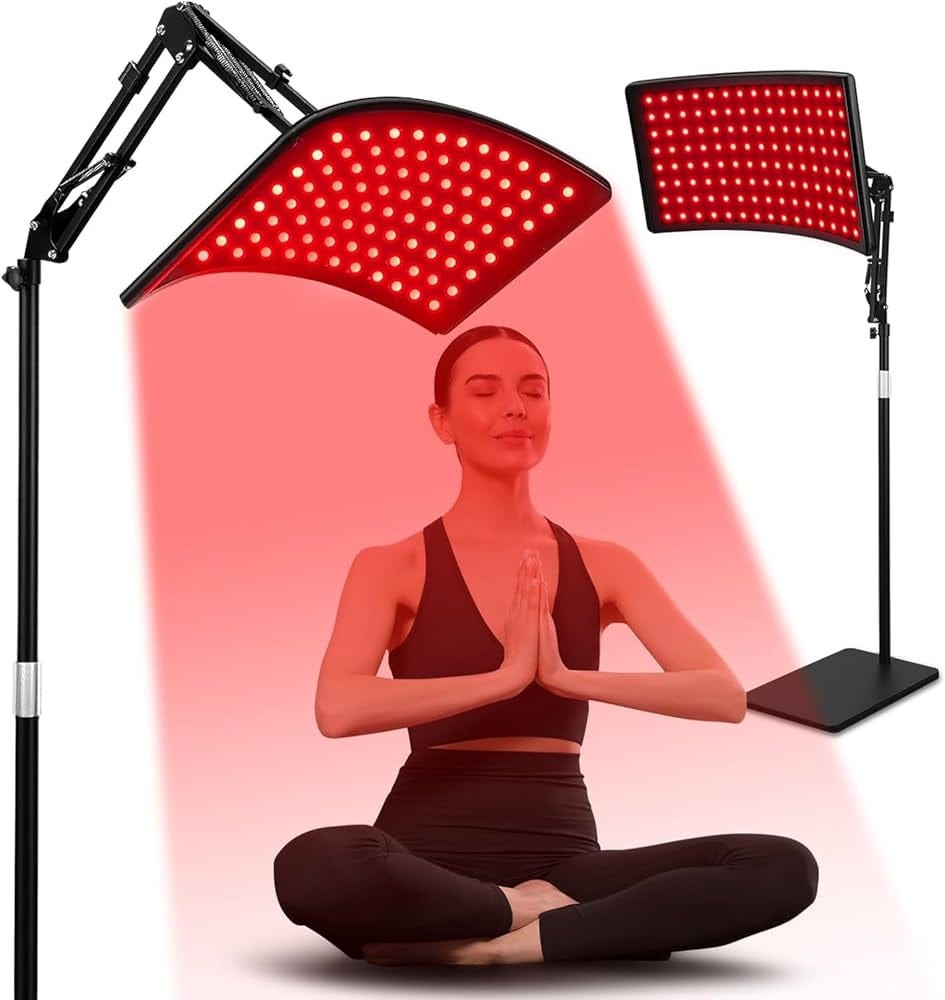
You might have heard about strong evidence for White Light for Seasonal Affective Disorder (SAD) and perhaps Blue Light for acne, but have you ever heard of Red (and near-infrared) Light Therapy?
First, let me clarify what it is not. It has nothing to do with traffic lights or the game we played as kids—1-2-3, red light! It definitely does not refer to the place where the oldest profession hones her craft. That’s not the kind of therapy your insurance will pay for.
Red light therapy, also known as low-level light therapy (LLLT) or photobiomodulation, is a treatment that utilizes specific wavelengths of red and near-infrared light to stimulate cellular function. It is non-invasive, does not use heat or ultraviolet (UV) light, and is thought to promote healing, reduce inflammation, and improve cellular energy production.
How It Works
Red and near-infrared light penetrate the skin to reach the mitochondria (the “power plants” of your cells). Think “mighty mitochondria.”
Inside the power plant, the light is absorbed by an enzyme called cytochrome c oxidase (Think turbine generator), which boosts production of ATP (adenosine triphosphate) (keeping with the analogy…the electricity), the cell’s usable energy currency molecule. Just as electricity powers appliances, ATP powers virtually every energy-requiring process in the cell.
More ATP = better cellular repair, reduced inflammation, faster healing.
So what is the science on red light therapy? If you read my last newsletter, you are now an expert at knowing the strength of the “science”. Remember, randomized controlled trials (RCTs) are the best.
The clearest, guideline-backed use of red-light/photobiomodulation (PBM) is for preventing oral mucositis (inflammation of the tissue that lines the mouth/throat) in people receiving cancer therapy (head-and-neck radiotherapy ± chemotherapy and bone marrow transplant). International guidelines recommend intra-oral PBM for these settings and even spell out wavelength/energy parameters.
But commercials, advertisements, and social media describe red light treatment for everything under the sun. So what’s the quality of that evidence?
Here’s the evidence landscape in order of strength:
1. Cancer therapy guidelines give strong recommendations to use intra-oral PBM to prevent mucositis in bone marrow transplant and head-and-neck radiotherapy (with or without chemo). (best evidence)
Androgenetic alopecia (hair loss). (good, but not universal)
Multiple RCTs and a meta-analysis report modest but significant increases in hair density/coverage. Effects are real but small; trials vary, and some are industry-funded.
Musculoskeletal pain (mixed; condition-specific)
Chronic neck pain: a landmark Lancet meta-analysis (16 RCTs) found pain reduction vs placebo up to ~22 weeks post-treatment; more recent trials continue to suggest short-term pain benefits.
Knee osteoarthritis: some recent reviews show pain/function improvement, especially as an adjunct to exercise, while others are more equivocal—overall inconsistent.
What It Is Not
It is not a laser treatment that cuts or heats tissue.
It is not tanning and does not produce UV radiation.
It is not proven to cure systemic diseases like cancer, Alzheimer’s, or chronic infections, despite some online claims.
No good evidence that it can reverse grey hair, raise IQ, heal traumatic brain injury, enlarge the penis, cure long COVID, infertility, depression, autism or activate melanin in the skin to attract wealth/energy.
That’s right. If you hear someone claim it can change your DNA, rewrite your brain, or regrow your youth, run. Run far away from them.
Is It Scientifically Valid?
Moderate scientific support exists for skin rejuvenation, wound healing, and pain reduction.
Emerging but not definitive evidence for muscle recovery, hair growth, and mood.
Claims about weight loss, anti-aging longevity, and “detoxing cells” are not strongly supported.
Safety
Generally considered safe when used properly.
Side effects are rare and typically mild (temporary redness or headaches).
Eye protection is recommended due to light intensity.
Bottom Line
Red light therapy is a scientifically plausible treatment with good evidence for localized healing and skin benefits, and potential benefits in reducing inflammation and pain. It is not a miracle cure, but when used appropriately, it can be a helpful adjunct therapy.
Physician Disclaimer (Because Lawyers Exist)
This newsletter is for informational and entertainment purposes only. Although I am a physician, I am not your physician (unless you are my neighbor, my relative, or that one guy who keeps asking if red light can recharge his aura). Consult your medical professional. Please do not use this information to replace medical advice, delay medical care, or justify purchasing a $900 light panel because someone on TikTok said it “melts inflammation and emotional baggage.” Always talk to a real healthcare professional—preferably one who went to medical school and not a YouTube University.
Excellent article on a very popular topic. I listened to three long podcasts already this week where our mitochondria and ATP were discussed at length. All part of learning how to improve our health and deal with the new aches and pains as we get older.
"unless you are my neighbor, my relative, or that one guy who keeps asking if red light can recharge his aura" 😂😂