
Being in a Profession Doesn’t Make You Professional
How a janitor with a mop outperformed a CEO with a title

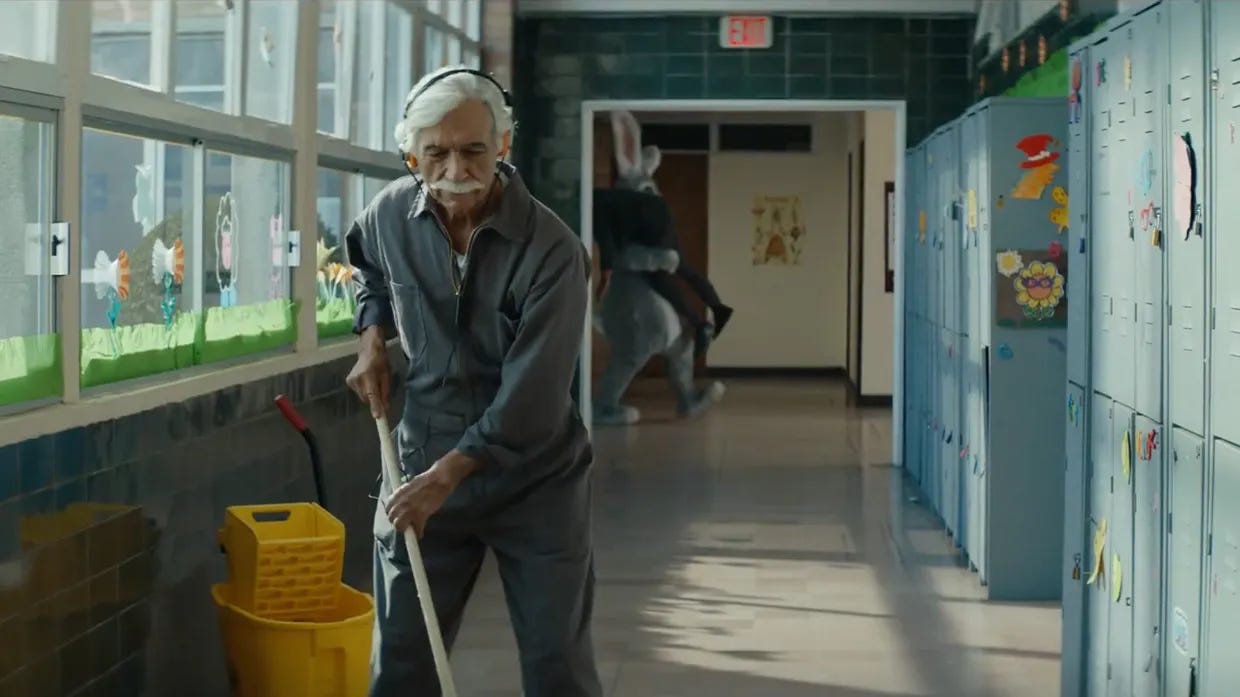
The moment I realized that being in a profession does not automatically make you a professional wasn’t during a grand board presentation or a medical conference. It happened in a college dorm hallway at six in the morning.
There, under the flicker of tired fluorescent lighting, I watched a janitor methodically scrape a mysterious, gelatinous substance off the wall. It was something so biologically suspicious it probably deserved its own NIH grant. No supervisor was present. No cameras. No applause. He could have wiped around it or simply declared it part of the new décor. Instead, he carefully and completely removed it, restoring order, cleanliness, and dignity to a space that most of us barely respected.
That man earned my respect not because of his job title, but because of how he did his job. He wasn’t in a “profession.” He was professional.
Years later, as a physician-executive, I led an initiative to improve patient safety—changes that would reduce errors and save real human lives. The first response from some highly trained physicians was not concern for the patient, but concern for their own convenience:
“This is going to inconvenience the physicians.”
That was the moment of clarity:
You can be a doctor, lawyer, or CEO and behave unprofessionally.
You can be a janitor, mechanic, or barista and be the very embodiment of professionalism.
Profession vs. Professionalism: They Are Not Synonyms
A profession is defined by:
Required training or certification
Licensing or regulatory oversight
Societal trust
A code of ethics (that is usually printed, framed, and ignored)
But professionalism is not about your title, it’s about your conduct. It’s how you behave when no one is grading you. It’s what you prioritize when your own comfort and someone else’s well-being are in tension. It’s not a status; it’s a standard.
Profession = what you do
Professionalism = how you do it
This is why some of the most professional behavior I’ve ever witnessed has come from people society rarely categorizes as “professionals.”
Unprofessional Behavior vs. True Professional Behavior
Integrity
Does the right thing when the press is watching
Does the right thing when no one is watching
Service
Asks “How does this affect me?”
Asks “How does this affect the person I serve?”
Competence
Relies on credentials from 20 years ago
Keeps learning, adapting, improving
Accountability
Blames the system, coworkers, Mercury in retrograde
Owns mistakes, fixes them, learns from them
Respect
Values hierarchy
Values humanity
The Irony of the “Professional” Professions
You would think that professions built on serving others, such as medicine, law, and education, would automatically attract and produce professionals. But I’ve seen physicians roll their eyes at patient safety measures while a school bus driver arrives early every day to ensure every child feels seen and safe.
I’ve seen highly educated teachers cling to perks, privileges, and parking spots, while janitors, receptionists, and cafeteria workers quietly uphold the mission of thinking and serving before themselves.
One group holds a title.
The other holds themselves to a standard.
Signs You’re in a Profession vs. Signs You’re a Professional
Signs You’re in a Profession:
You have a title people pronounce with reverence
You have initials after your name that require a legend to decipher
Your email signature is longer than some short stories
Listening to you requires a decoder ring
Signs You Are a Professional:
You show up early and prepared
You return calls and emails
You tell the truth even when it’s difficult and may reflect poorly on you
You do the right thing even when it costs you
If you need a special parking spot, think you are entitled to cut in the lunch line, and need a title on your business card in bold font to feel professional. You’re not a professional. You’re a role player in a very insecure theater production.
🚪 The Door Test
Here’s a simple measure of professionalism:
If you lost your title tomorrow, would people still trust you, seek your advice, and want to work with you?
Or would your influence vanish the moment the letters disappeared from your badge?
Are you lost and depressed because you lost prestige and power when you retired?
Or are you content with your freedom and reflect on meaningful accomplishments?
True professionals carry their credibility with them—because it’s woven into their character, not printed on their stationery.
Final Thought
The janitor didn’t need a title to act professionally. The physician didn’t lose professionalism because of his title—but because of his choices.
In the end, your profession may grant you a title, but only your behavior earns you respect.
The world doesn’t need more people in professions. It needs more professionals.
If your title were gone and all you had left was your reputation, would people still think of you as a professional?
Love this and so accurate!
Great topic Joe. If everyone could just heed your advice, what a better world we would be!